Everything You Need to Know About Certifying Your Equipment for Explosion Protection (Ex)
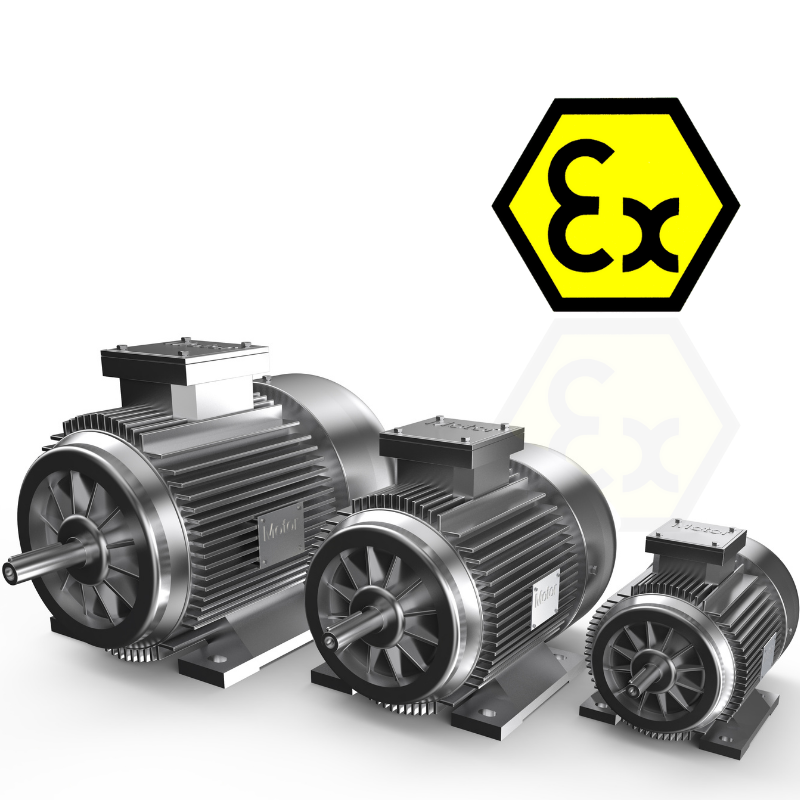
When it comes to operating in hazardous areas, one of the most important and often misunderstood requirements is ensuring your equipment is certified to Ex standards (Explosion Protection). Whether you’re dealing with electrical panels, lighting systems, sensors, motors, or control equipment, IECEx or ATEX certification confirms that your equipment is safe for use in environments with explosive gases or dust.
At Capeserve Energy, we frequently receive inquiries from clients in oil & gas, chemical, petrochemical, marine, and manufacturing sectors who want to understand how to certify their equipment for hazardous locations. Below, we’ve compiled answers to the most common questions about the Ex equipment certification process
1. What Does Ex Certification Mean?
“Ex Certified” equipment means it has been tested and verified to meet international standards for explosion protection, specifically IEC 60079 under IECEx or ATEX schemes.
This ensures the product won’t become an ignition source in explosive atmospheres. It covers both electrical and non-electrical equipment, e.g junction boxes, motors, lighting systems.
2. Do I Need to Certify All My Equipment?
Not every product requires certification only those used in classified hazardous zones (Zone 0, Zone 1, Zone 2) or dust areas (Zone 20, 21, 22).
If your workplace contains flammable gases, vapours, or dust, you must ensure your equipment carries a valid IECEx or ATEX certificate matching the gas group, temperature class, and protection type (e.g., Ex d, Ex e, Ex i, Ex t).
3. ATEX vs IECEx — What’s the Difference?
- ATEX certification is mandatory within the European Union.
- IECEx certification is internationally recognized, including in Malaysia, Brunei, Singapore, and the Middle East.
Both are based on the same IEC 60079 standards, but IECEx offers broader global acceptance for export and cross-border projects.
4. How Long Does Equipment Certification Take?
The certification timeline depends on product complexity, testing requirements, and documentation readiness.
Our technical consultants at Capeserve Energy can help you streamline your documentation, coordinate with Ex Certification Bodies (ExCBs), and avoid unnecessary delays.
5. What Documents Are Required for Ex Certification?
Before submitting your equipment for testing, you’ll need:
- Detailed product drawings and specifications
- Bill of materials (with Ex-approved components)
- User manual and safety instructions
- Test reports (if any)
- Quality Management System documents
If you don’t have complete documentation, our team can assist with technical file compilation and conformity assessment in line with IECEx standards.
6. What Happens After Certification?
Upon successful evaluation, you’ll receive:
- An official Ex Certificate of Conformity (CoC)
- A Quality Assessment Report (QAR) confirming ongoing manufacturing compliance
These certificates demonstrate that your product meets international explosion protection standards, allowing you to legally sell, export, or install the equipment in hazardous areas.
7. Why Choose Capeserve Energy for Ex Certification?
Capeserve Energy Sdn Bhd is one of Malaysia’s trusted partners for IECEx equipment certification, Ex inspection, and competency training (CoPC).
We work closely with globally recognized Certification Bodies to guide you through every stage from product design review to testing, certification, and renewal.
Our services include:
✅IECEx & ATEX Certification Support
✅Ex Equipment Inspection
✅Technical Documentation Assistance
✅Ex Training & Competency (Ex000–Ex009)
✅Compliance Consultation for Manufacturers & End Users
Start Your Ex Certification Journey Today
If your company operates in oil & gas, petrochemical, marine, or manufacturing industries, ensuring your equipment meets IECEx / ATEX standards isn’t just about compliance it’s about safety, reliability, and global market access.
Contact Capeserve Energy today for a free consultation or to learn more about how to certify your equipment for hazardous areas.
📧 sales@capeserve.com
🌐www.capeserve.com
🏢 Capeserve Energy Sdn Bhd — The Hazardous Area Experts